Online technology for tracking disease outbreaks earns DHS' 2010 Science & Technology Impact Award
WASHINGTON, D.C. - An online "information dashboard" that can improve the nation's response to a major disease outbreak has earned the 2010 Science & Technology Impact Award from the Department of Homeland Security.
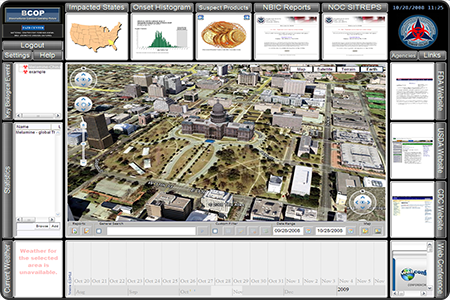
Specifically, the award honors the National Center for Foreign Animal and Zoonotic Disease Defense (FAZD) for rapidly deploying the technology - known as the Bio-surveillance Common Operating Picture (BCOP) - for DHS during the global H1N1 flu pandemic of 2009. FAZD Center researchers built, tested and launched the BCOP in weeks rather than months as originally scheduled.
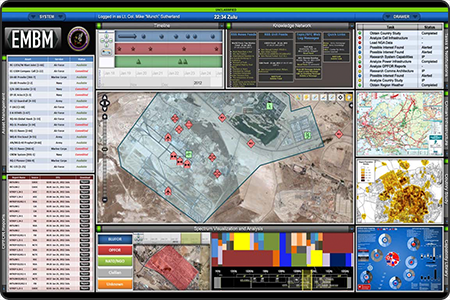
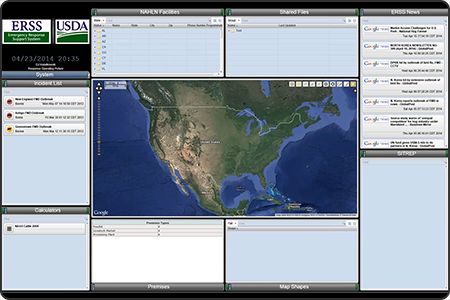
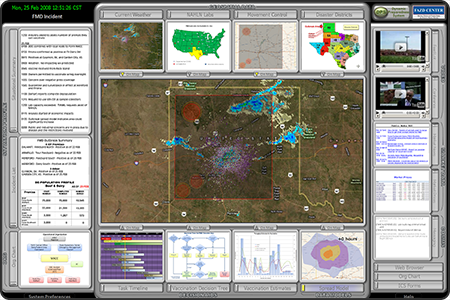
The FAZD Center developed the BCOP to enhance the work of the DHS National Bio-surveillance Integration Center (NBIC). The BCOP enables DHS to track, organize and share information about outbreaks of contagious diseases from around the world on a daily basis. This allows DHS to more rapidly prepare its response to outbreaks that may threaten the United States.
Headquartered at Texas A&M University, the FAZD Center is a DHS Center of Excellence representing seven major universities, 10 Minority Serving Institutions and five National Laboratories.
The 2010 Impact Award recognizes the work of FAZD Center principal investigators James A. Wall and John T. Hoffman, and investigator Keith Biggers. The award also recognizes former FAZD Center Director Neville P. Clarke's contributions to the development of the BCOP.
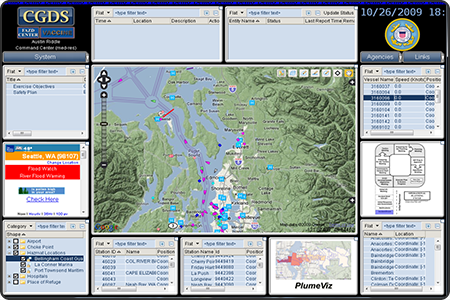
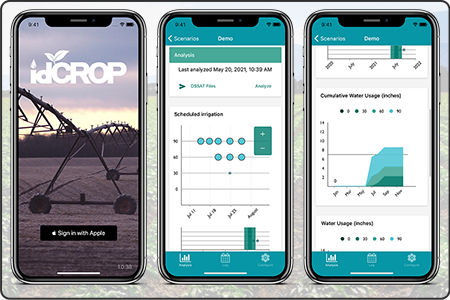
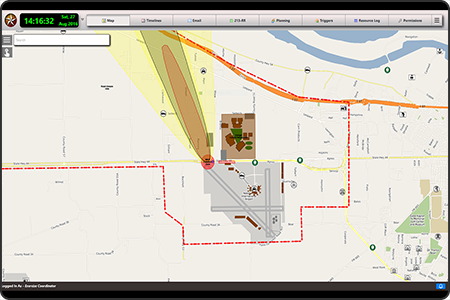
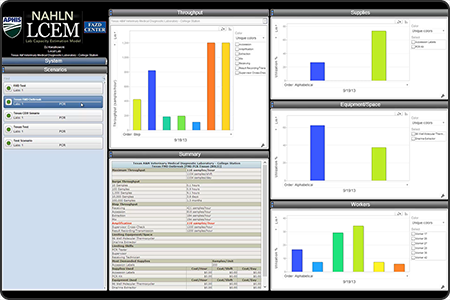
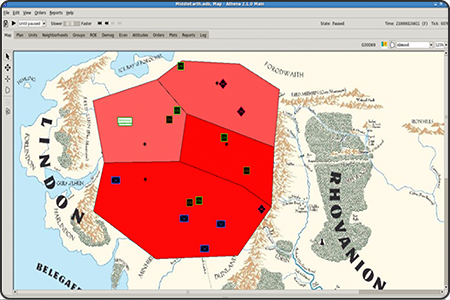
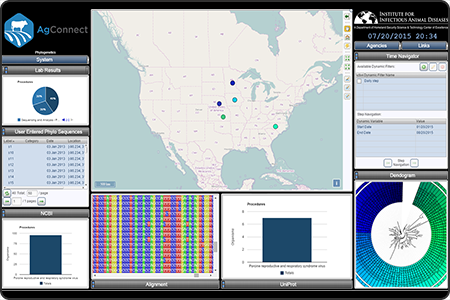
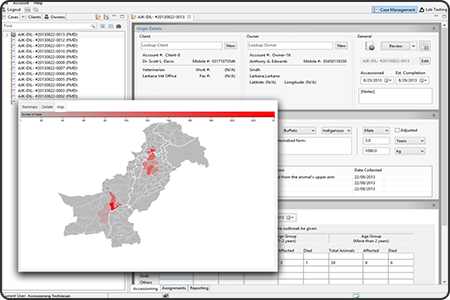
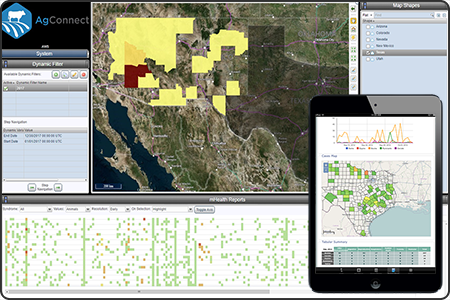
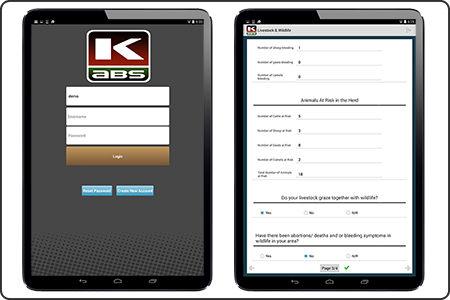
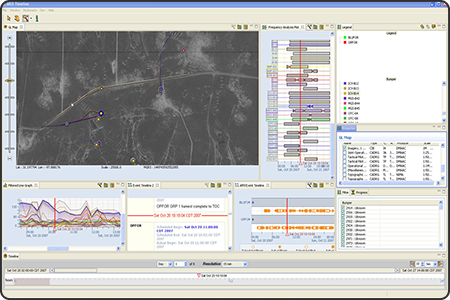
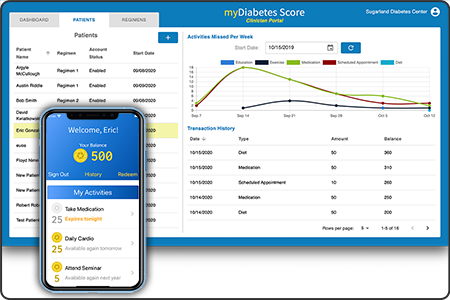
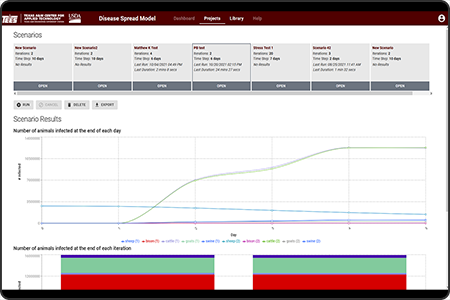
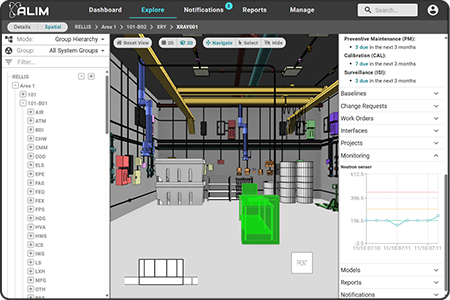
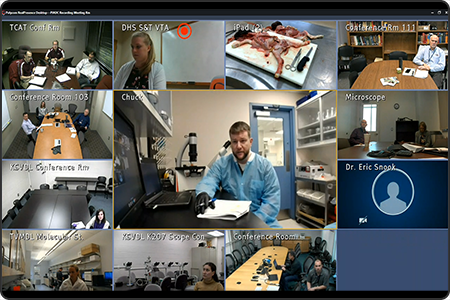
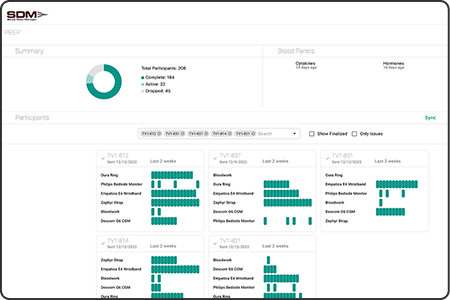
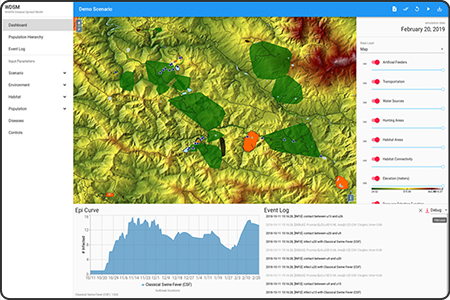
The BCOP uses information dashboard technology to provide real-time access to multiple websites, live data feeds, news feeds, streaming video, maps, images, key documents, information banks and other information resources as needed to enhance surveillance, response and training for biological crises such as contagious disease outbreaks.
Planning is currently underway to increase access within NBIC to 20,000 BCOP users. Other government agencies and commercial customers have asked the FAZD Center about developing specific dashboards for their needs.
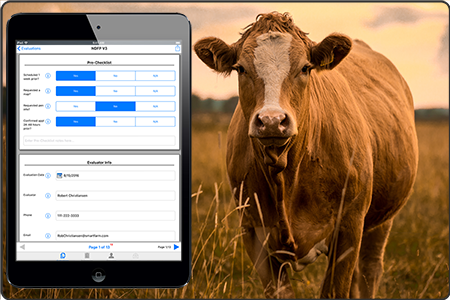
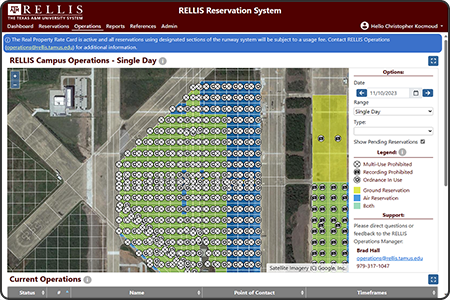
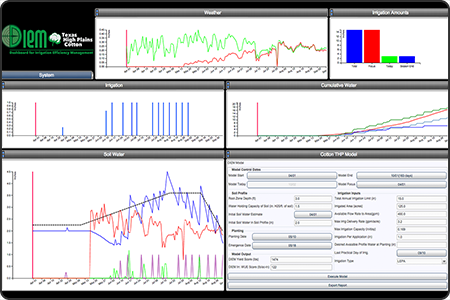
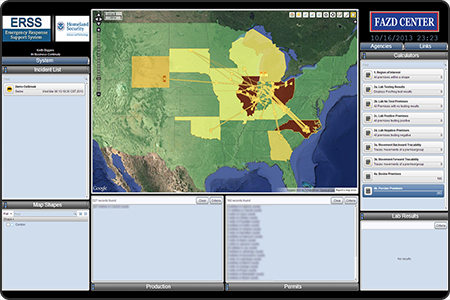
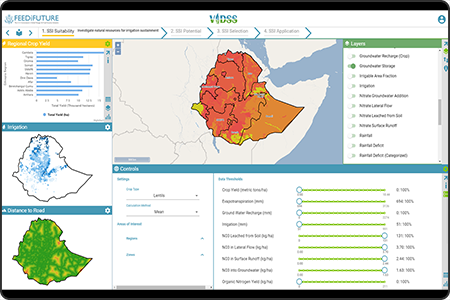
"This versatile technology offers many applications to enhance homeland security, including human health, animal health, national defense and emergency management," said Tammy Beckham, the FAZD Center's interim director. "Information dashboards like the BCOP allow for a faster, more effective response to a crisis or disaster at all levels: local, state and federal."

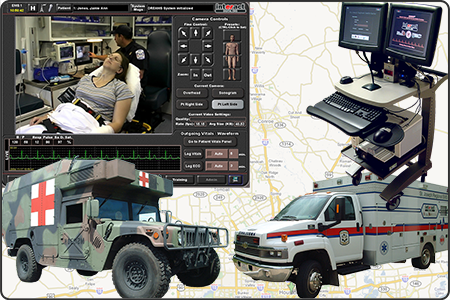
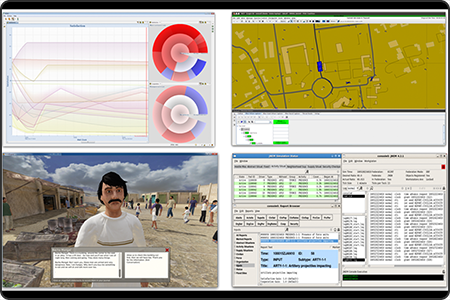
In addition to serving as a command and control systems for decision makers during crisis and disasters, information dashboards can also work as training simulators, Beckham said.
"They can create 'virtual veterans' of large-scale disasters," she said.
To learn more about the FAZD Center's information dashboard technology, visit:
http://fazd.tamu.edu/publications/FAZD%20dahsboard.pdf .
About the FAZD Center researchers
- James A. Wall is deputy director of the Texas Center for Applied Technology, Texas Engineering Experiment Station, Texas A&M University System.
- John T. Hoffman is a senior research fellow both at the DHS National Center for Food Protection and Defense (University of Minnesota) and the FAZD Center.
- Keith E. Biggers is a researcher with the Texas Center for Applied Technology, Texas Engineering Experiment Station, Texas A&M University System.
- Neville P. Clarke is former director of the FAZD Center. He has been actively involved in agricultural biosecurity since 1996.
About the National Center for Foreign Animal and Zoonotic Disease Defense
The National Center for Foreign Animal and Zoonotic Disease Defense (FAZD Center) develops products to defend the United States from high-consequence zoonotic and animal diseases that pose significant threats to homeland security. Founded in April 2004 as a DHS Center of Excellence, the FAZD Center leverages the resources of eight major universities, 10 Minority Serving Institutions and five National Laboratories. The FAZD Center is focused on creating a national defense against zoonotic diseases (which are transmissible between animals and humans), and against animal diseases that are exotic to the United States, but which could enter the nation through natural processes, through an accident, or through a terrorist attack. These diseases pose catastrophic risks to U.S. public health and livestock health, as well as to the $1 trillion U.S. agricultural economy, which provides one in six of all U.S. jobs.